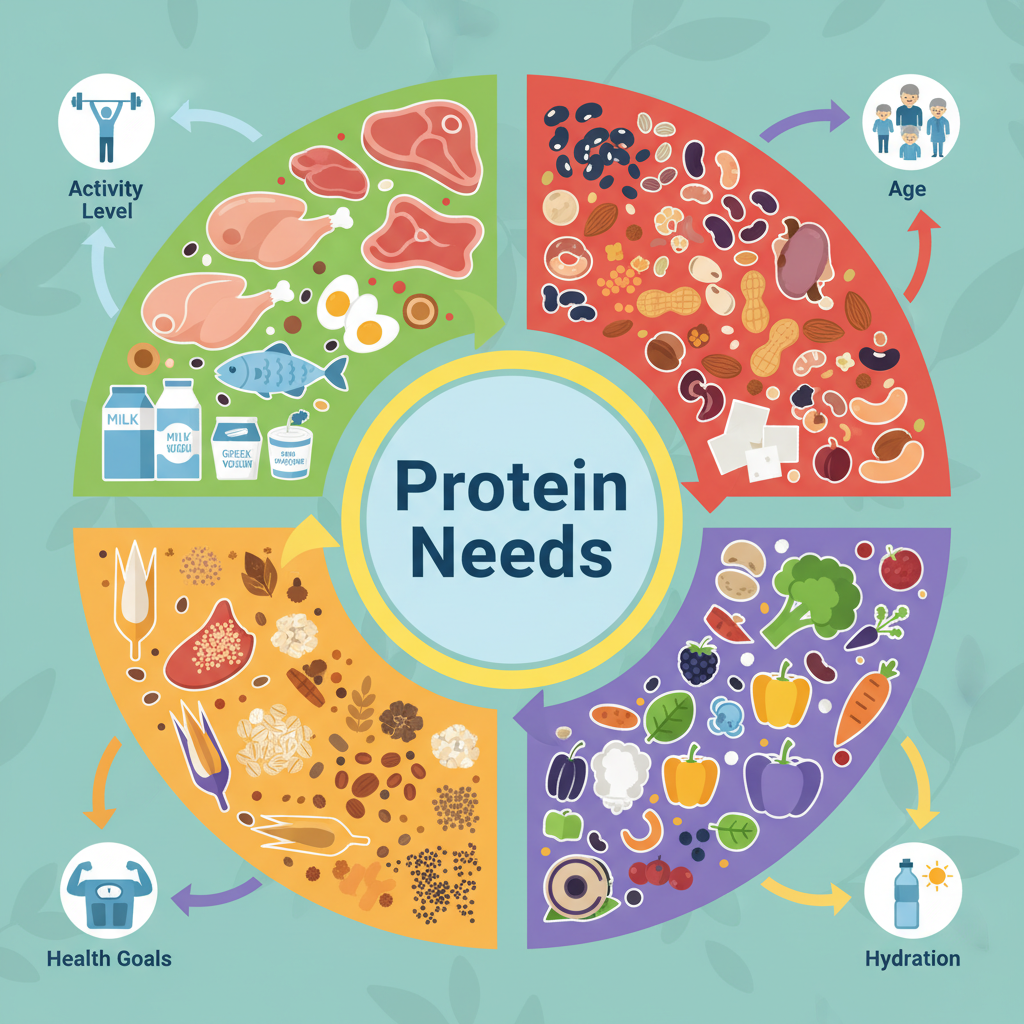
Did you know that the average adult needs to consume a significant amount of protein daily to maintain bodily functions and overall health? Protein is a fundamental building block for our bodies, playing a crucial role in everything from muscle repair to hormone production. But how much protein is actually enough? The answer isn’t a one-size-fits-all figure; it depends on various factors like age, activity level, and health goals.
Understanding Protein’s Role in Your Body
Protein is made up of amino acids, which are often called the “building blocks of life.” These amino acids are essential for constructing and repairing tissues, including muscles, organs, and skin. Protein also helps create enzymes and hormones that regulate many of the body’s processes. Furthermore, it’s a key component of antibodies that fight off infections and can even be used as an energy source when needed.
The U.S. Department of Agriculture (USDA) recommends a daily intake of protein. For a sedentary adult, this is typically around 0.8 grams of protein per kilogram of body weight. For example, a person weighing 70 kilograms (about 154 pounds) would need approximately 56 grams of protein per day. You can find detailed dietary guidelines on the MyPlate website.
Factors Influencing Your Protein Needs
While the general guideline is helpful, several factors can significantly alter your individual protein requirements:
Activity Level and Exercise
Athletes and highly active individuals generally require more protein than their sedentary counterparts. This is because exercise, especially strength training, breaks down muscle tissue, and protein is essential for repairing and rebuilding it stronger. Endurance athletes also benefit from adequate protein intake to support muscle function and recovery.
- Strength Training: Those engaging in weightlifting or resistance training might need between 1.6 to 2.2 grams of protein per kilogram of body weight.
- Endurance Athletes: Runners, cyclists, and swimmers might aim for 1.2 to 1.7 grams of protein per kilogram of body weight.
Age and Life Stage
Children and adolescents need protein for growth and development. Pregnant and breastfeeding women have increased protein needs to support the developing fetus and milk production. As people age, maintaining muscle mass becomes increasingly important to prevent sarcopenia (age-related muscle loss), so slightly higher protein intake may be beneficial. According to the National Institute on Aging, protein is vital for older adults.
Health Goals
- Weight Loss: Protein can be a powerful ally in weight management. Its satiating effect can help reduce overall calorie intake, and it helps preserve muscle mass during calorie restriction. Some studies suggest that a higher protein intake, even up to 30% of daily calories, can aid in weight loss and maintenance.
- Muscle Gain: For individuals looking to build muscle mass, a higher protein intake, as mentioned for strength training, is crucial.
Medical Conditions
Certain medical conditions, such as kidney disease, may require restricted protein intake. Conversely, recovery from illness or surgery often necessitates increased protein to aid tissue repair. It is always best to consult with a healthcare professional or a registered dietitian for personalized advice, especially if you have underlying health issues. The Mayo Clinic offers comprehensive information on protein and its benefits.
Protein Sources: What Should You Eat?
Protein can be found in a wide variety of foods. Animal sources like meat, poultry, fish, eggs, and dairy products are considered complete proteins, meaning they contain all nine essential amino acids. For instance, a single large egg contains about 6 grams of protein, with most of it found in the yolk and white combined. You can learn more about the protein content of eggs on our site: How Much Protein is in an Egg?.
Plant-based protein sources include legumes (beans, lentils, peas), nuts, seeds, and soy products. While many plant-based proteins are not complete on their own, consuming a variety of these foods throughout the day can ensure you get all the essential amino acids. Examples include:
- Lentils: About 18 grams of protein per cooked cup.
- Almonds: Around 6 grams of protein per ounce.
- Tofu: Approximately 20 grams of protein per cup.
Conclusion: Finding Your Personal Protein Sweet Spot
Determining your ideal daily protein intake involves considering your personal circumstances. The general recommendation of 0.8 g/kg is a starting point, but athletes, older adults, and those with specific health goals may need more. Prioritizing a balanced diet rich in diverse protein sources, both animal and plant-based, is key to meeting your needs and supporting your overall well-being. For personalized dietary advice, consulting a registered dietitian or healthcare provider is always the most recommended approach. For more on general nutrition, the World Health Organization provides extensive global health information.
Frequently Asked Questions About Daily Protein Intake
Q1: Can I eat too much protein?
While protein is essential, excessive intake can put a strain on the kidneys, especially for individuals with pre-existing kidney conditions. It can also lead to digestive issues and may displace other important nutrients in your diet. It’s generally advised to stick within recommended ranges unless advised otherwise by a healthcare professional.
Q2: Is it better to get protein from food or supplements?
Whole foods should be the primary source of protein. They provide a broader spectrum of nutrients, fiber, and other beneficial compounds. Protein supplements can be convenient for certain individuals, like athletes with very high needs or those who struggle to consume enough protein through diet alone, but they should complement, not replace, whole food sources.
Q3: How can I track my protein intake?
You can use food tracking apps or a simple journal to record your meals and estimate your protein consumption. Many apps have extensive databases of foods with their nutritional information, including protein content.
Q4: Does protein help with muscle soreness after exercise?
Yes, protein plays a vital role in muscle repair and recovery. Consuming adequate protein after a workout can help reduce muscle soreness and speed up the healing process, allowing you to train more effectively.